
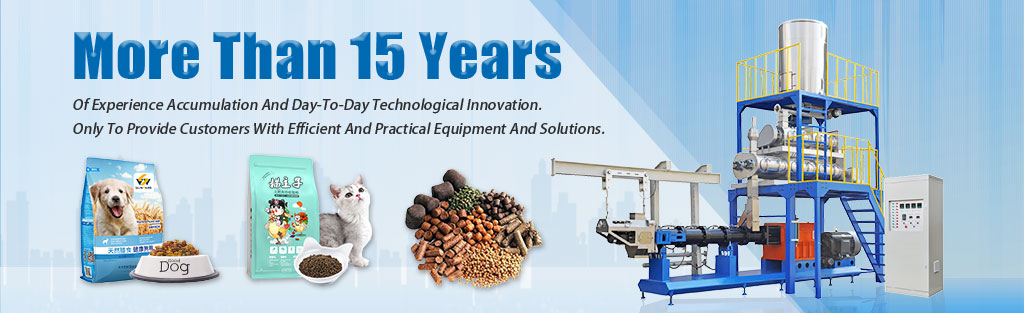
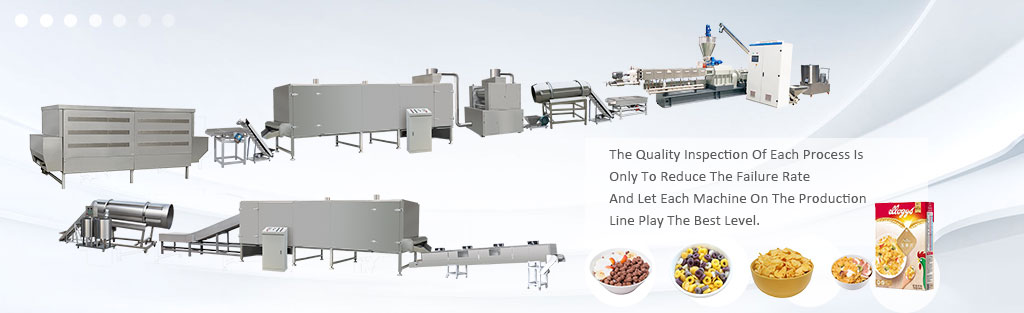

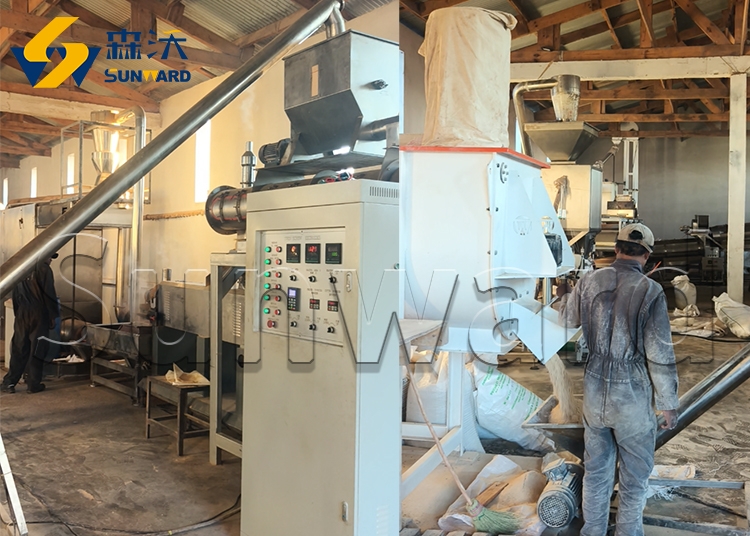
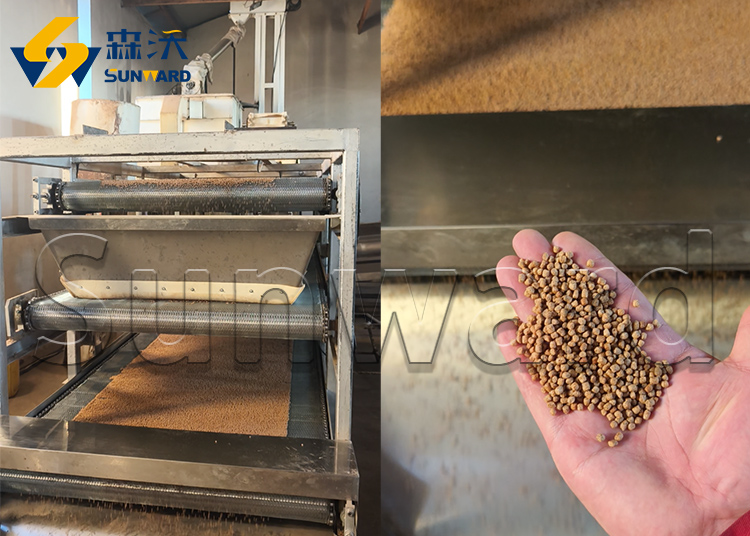
Our complete set of full‑automatic fish feed production line has been successfully exported to Malawi, Africa.
Before shipment, the whole production line underwent strict factory testing to ensure stable performance. Our experienced technical engineers traveled to Malawi to perform on‑site assembly, equipment calibration, electrical debugging, parameter optimization and trial‑production runs.
Fully adapting to local workshop conditions, our engineering team completed all commissioning works as per international standards. After multiple rounds of testing, the fish feed line achieves stable continuous operation, and the produced fish feed pellets satisfy the customer’s aquaculture production requirements.
Besides machine commissioning, our engineers delivered practical on‑site training for local operators, covering daily operation, parameter adjustment, routine maintenance and troubleshooting. This enables the local team to run and maintain the production line independently.
This Malawi project represents another successful overseas delivery for our feed machinery. It demonstrates our reliable equipment quality and complete after‑sales support for African clients. We will keep providing cost‑effective feed processing turn‑key solutions for global customers.
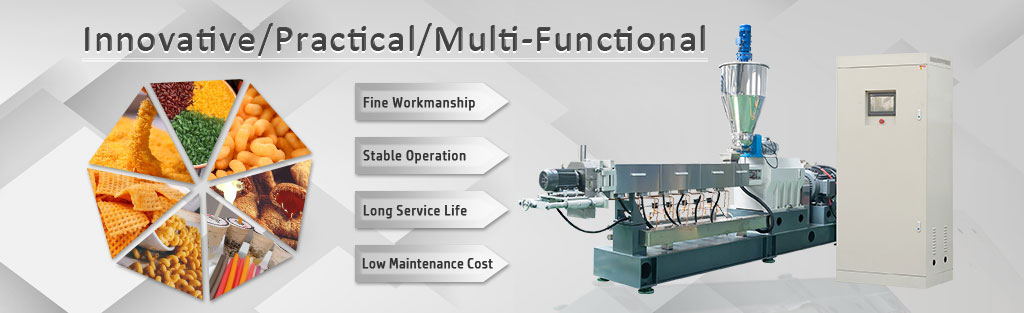
Advantages of Twin‑Screw Extruder with Conditioner for Fish Feed
Improve pre‑gelatinization of raw materials and reduce the load of extruder. Raw materials are pre‑heated and humidified by steam inside conditioner. Partial starch gelatinization is completed in advance, making 500 kg/h output more stable.
Greatly improve water stability of fish feed. Sufficient conditioning achieves higher starch gelatinization, compact pellet structure. Pellets are not easy to disintegrate in water, reduce residual bait pollution and improve feed conversion rate for floating, sinking and slow‑sinking feed.
Support liquid addition for wider formula range. Liquids such as water, oil and molasses can be evenly dosed inside conditioner, suitable for high‑oil fish feed formulas with better mixing uniformity.
Better pellet quality and less powder return. Well‑conditioned materials own good plasticity, high extrusion forming rate, lower powder rate and higher finished product yield.
Reduce wear of wearing parts. Raw materials are softened by steam conditioning, so friction and abrasion on screw and barrel are reduced, extending service life of key components.

Copyright © Jinan Sunward Machinery Co., Ltd. 2014 All rights reserved
 Tel:0086-531-67877802 Cel:+86 18865912025(WhatsApp)
  E-mail:manager@foodgm.cn
①Factory Address :No. 90, Nine Grid, Dangxi Village, Dangyang Road, Shizhong District, Jinan city, Shandong province, China.
②Office Address :Room 1817, Rongce Center, 3179 Qilu Avenue, Xingfu Street, Huaiyin District, Jinan City, Shandong Province, China.
 0086-531-67877802
 +8618865912025
 manager@foodgm.cn